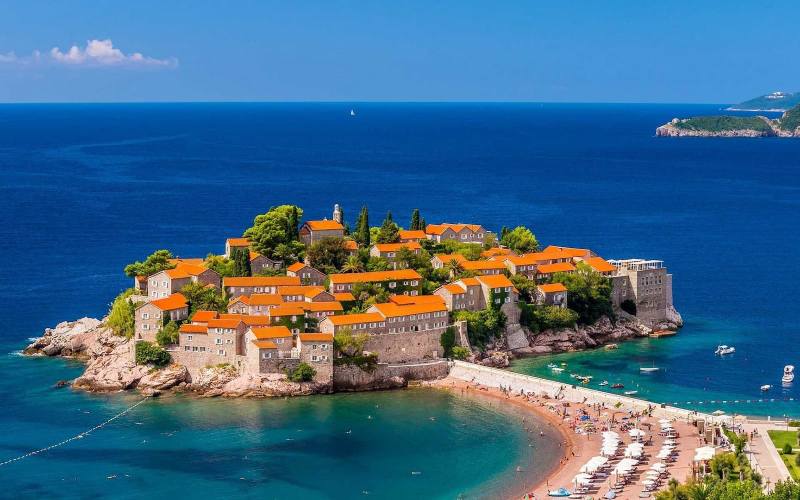
Croatia packs a lot into a small country. Roman ruins that people still live inside, an island chain running most of the Adriatic coast, waterfalls an hour inland from the sea. Distances look short on the map. Most first-time visitors then try to see all of it in six days, and that rarely goes as planned.
A fixed group itinerary decides your pace for you. Private Croatia tours hand that back. Stay two hours longer at Plitvice, skip Zagreb entirely, or swap a museum morning for a boat. All Private Tours shapes the route around interests rather than a coach timetable. The destinations below earn their place on most itineraries.
Dubrovnik – Explore the Pearl of the Adriatic
The wall circuit runs about 1.2 miles and takes ninety minutes at a slow pace. Go at eight in the morning or after five. Between those hours the stone bakes and cruise passengers fill the narrow stairs. Dubrovnik now limits arrivals to two ships a day, though two ships still means thousands of people.
The Fort Most People Skip: Lovrijenac sits on a rock about 120 feet above the water, just outside the west wall. Your wall ticket covers entry, and hardly anyone uses it. The view back at the Old Town from up there is the shot everyone wants. Sunset works, though the cable car up Srd works better.
Eat Away From the Stradun: Restaurants on the main street charge for the address. The better tables sit in Lapad or up the side lanes, and they book out in July. A private guide gets the reservation and the history in the same afternoon. Lokrum island is fifteen minutes out by boat and empties by late afternoon.
Split and the Dalmatian Coast
Diocletian finished his palace around AD 305, and people never stopped living in it. Roughly 3,000 residents still occupy the walls today, above bars and apartments and a cathedral built inside a mausoleum. The Riva waterfront fills at seven each evening. Locals walk it, tourists photograph it, and nobody seems in any hurry.
Three Islands, Three Different Days: Hvar draws the late crowd and the Pakleni boat traffic. Brac has Zlatni Rat, the beach that changes shape with the wind. Vis stayed closed to foreigners until 1989 and still feels quieter. Public ferries make one island a full day. A private boat makes two, and the difference is roughly four hours of waiting.
Peka Needs Ordering Ahead: The dish cooks under an iron bell for hours, so most konobas want a day’s notice. Few visitors know to ask. Inland from Split, the villages around Klis serve it properly. Beaches near town get crowded, though a twenty minute drive south usually solves that problem. Your driver will know which one.
Plitvice Lakes National Park and Natural Wonders
Sixteen terraced lakes drain into each other through travertine barriers, and the color shifts from green to grey depending on the light. Veliki Slap drops around 255 feet. Roughly 1.8 million people come every year. Timed entry tickets sell out weeks ahead in summer, and turning up without one wastes the drive.
Entrance Choice Decides the Day: Entrance 1 puts the big waterfall first and fills early. Entrance 2 starts at the upper lakes and stays calmer until midday. Boardwalks are narrow with no railings, so passing slow groups gets awkward. A guide who knows the loops keeps you moving against the crowd. Morning light also photographs better.
Krka Fits a Coastal Route Better: Skradinski Buk sits about an hour from Split, which suits travelers staying on the coast. Swimming there stopped in 2021, so the appeal is different now. Perhaps quieter is the honest word. Plitvice is the bigger park, but Krka costs you far less driving time. Both in one trip is possible, just rarely worth it.
Zagreb and Croatia’s Cultural Highlights
Zagreb gets skipped, which is a strange habit given most flights land there. The Upper Town holds St. Mark’s Church and its tiled roof, plus a funicular that runs 217 feet in under a minute. Dolac market opens at seven. Go before nine if the produce stalls matter to you. The city rewards a full day.
Coffee Is a Two Hour Commitment: Saturday morning here is a ritual called spica, where half the city sits outside on Tkalciceva and Bogoviceva. Nobody rushes. The Museum of Broken Relationships takes an hour and lands harder than expected. The Lotrscak tower cannon fires at noon, every day, and still startles people.
An Hour Out Changes Everything: Trakoscan Castle sits in the north, restored and oddly quiet on weekdays. The Plesivica wine road runs forty five minutes southwest, with family cellars pouring their own portugizac. Samobor does cream cake and not much else. A private driver makes all three possible in one day. Public transport does not.
How to Plan the Perfect Private Croatia Tour
Seven days covers Dubrovnik, Split and one national park. Ten days adds islands without the constant packing. Anything under five days should stay on the coast entirely. The drive from Dubrovnik to Zagreb takes roughly six hours, which surprises people who assumed a small country meant short transfers. Book the internal flight instead.
Mix the Days, Not the Regions: Two coastal towns and one park read better than five towns in seven days. Guides matter more than hotels here. A licensed local historian in Split explains why the cathedral bell tower stands over a Roman tomb. A generalist reads you the plaque. Ask for the guide’s name in advance.
Check What the Price Actually Covers: Park entries, ferry tickets, driver waiting time, and the boat that gets you to Vis. Lower quotes usually drop one of those. Extras appear later, on the ground, when refusing is hard. Get every inclusion listed in writing before the deposit clears. A reputable operator sends that list unprompted.
Croatia looks manageable on paper and gets complicated the moment ferries and park tickets enter the plan. Send your dates and the pace you want. Jordan and the team will come back with a route, not a template. Start planning your private tour, or explore the Croatia itineraries already running.
FAQs
What are the must-visit destinations on a private Croatia tour?
Dubrovnik and Split appear on nearly every itinerary. Plitvice or Krka covers the natural side. Hvar and Brac get added once the trip runs past a week. Zagreb suits travelers flying in or out of the capital, and it deserves more than a single night.
How many days are recommended for touring Croatia?
Seven to ten days works for most people. Seven covers the south and one park. Ten allows islands and Zagreb without long driving days. Five days or fewer should stay in Dalmatia, since transfers eat more time than travelers expect.
Can a private Croatia tour include island hopping?
Yes, and a private boat changes the math completely. Public ferries force one island per day around fixed schedules. A chartered boat or gulet reaches two, anchors for swimming between them, and skips the queue at Split harbor entirely.
What is the best time of year to visit Croatia?
Late May into June, then September. July and August bring heat, full ferries and Plitvice tickets that vanish early. October stays warm on the coast, though some island restaurants close. Winter suits Zagreb, where the Advent market runs through December.
Are private Croatia tours customizable to different travel styles?
Fully. Pace, hotel standard, walking distances and the balance between towns and beaches all get adjusted. Families, older travelers and dietary needs are planned around in advance. Tailor-made routing is the reason people book private instead of joining a group departure.