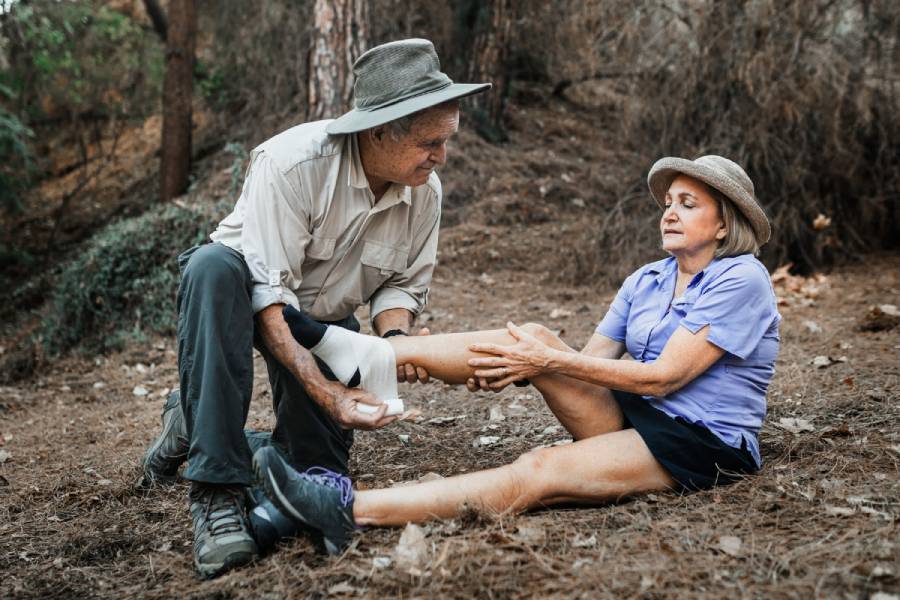
My buddy Jeff thought he was in shape until he hiked Mount Sanitas with his cousin from Ohio. They turned around halfway up. Jeff couldn’t walk right for three days. He’s a runner, ten miles on flat pavement, and never thinks about it, and he got his clock cleaned by what he kept calling a glorified hill.
Was at a bar last week and overheard a woman complain that her chiropractor in Boulder couldn’t get her in until October. It made sense. Late summer is when everybody who hiked too much in July realizes their hips don’t work anymore. Knee pain. Tight hip flexors. Lower back tweaks from heavy packs. Ankles that stay stiff. Most of it traces back to mistakes made before anybody hit the trail.
If you find yourself searching “chiropractor near me” after a rough trail day, your body has been compensating longer than you realize. Small limp turns into a hip thing, the hip thing migrates north, and your lower back is tight every morning. Among the upper cervical chiropractic clinics in the area, Atlas Chiropractic starts with how the spine moves.
Why Boulder Hiking Is Tough
Two things make these trails harder than they look. The first one is altitude. Boulder sits at 5,400 feet, and a lot of trails kick up another thousand feet inside the first two miles, so your lungs and quads are doing more work than the same hike would demand at sea level. You won’t notice it on day one. The bill comes due on day two.
The second thing is the descent, which sneaks up on people. Going down loads each knee with two to three times your body weight on every step. Add the loose rock, exposed roots, surprise drop-offs that define Boulder trails, and you’ve got a constant balance-and-impact problem your joints have to solve. The way down chews you up worse than the way up did.
Get the Body Ready Before You Start
Hips and Glutes Need Work
Knee pain on a descent? Look upstream. The thing that lets your knee cave inward, step after step, is usually weak glutes, and that loaded position trashes the IT band, the kneecap, and the lower back together. A couple of short workouts a week of bridges, side-lying clamshells, and step-ups can flip how your lower body deals with each footstep landing.
Calves and Hamstrings, Both
Calves get tight, and your stride shortens, which makes the foot land harder. Hamstrings tighten, tilting your pelvis backward and putting stress on the lower back. Five minutes of stretching after work, anywhere from heel to hip, knocks a lot of this out in two or three weeks.
Balance, One Foot at a Time
Hiking really comes down to a long string of single-leg balances. Most ankle sprains occur when balance breaks at the wrong second on uneven ground. Try this. Brush your teeth on one foot. Close your eyes if you can hold it. Trains the proprioceptors that catch a rolling ankle before it tears.
Where People Mess Up
The biggest one I see is taking longer steps coming down. Long strides multiply impact through the knee, and on a rocky trail, those long steps tend to land on stuff your foot wasn’t ready for. Going shorter and more controlled gives the load somewhere to spread, and lets your ankle adjust mid-step. You won’t go faster. Your knees will write you a thank-you note in the morning.
After that, drinking water too late on the trail. By the time you’re actually thirsty up at altitude, dehydration snuck up on you a while ago. Sip every 15 to 20 minutes from the start, even when it’s cool. Cold-weather hikers, especially, get caught here because they don’t feel sweaty.
Pack weight, finally. A heavy pack worn loose shifts on every step, drags your spine sideways, and makes your hip flexors fight that wobble the whole hike. Easy to fix, though. Crank the hip belt down so the pack sits on your hips and not on your shoulders. Stick the heaviest stuff close to your back, lined up between the shoulder blades.
Knowing When To Bail
Sore the morning after a hike? Mostly fine, especially if you went farther than usual or had a steep descent on the way back. Quad, glute, or calf soreness that fades within a day or two is just how this works.
Sharp knee pain on the trail itself, though? Different story. Stop walking. Pain that ramps up more sharply with each step usually means something’s actively getting damaged. Rest, take it slow on the way down, and get it looked at if it’s still around in a few days.
Back stiffness that’s been hanging around a full week? Worth getting checked out. A bad pack fit or a small fall can shift the pelvis or lower spine slightly, and your body would rather compensate than heal. Those compensation patterns get harder to undo the longer they sit.
The trials out here treat people who prepare and punish people who don’t. Real hiking injuries rarely come from a single big, dramatic event. They build up. Mile after mile of small mistakes, bad form, and ignored signals, until something gives. Work your hips, stretch your calves, and pay attention when your body says something’s wrong. The fix at that stage is going to be way cheaper and easier than what comes if you wave it off.
Featured Image Source: https://www.freepik.com/free-photo/elderly-man-bandaging-his-wife-s-ankle_16434478.htm#fromView=search&page=1&position=0&uuid=804f1e5d-07ee-45c9-a2cb-7b94fd3ee5c4&query=Hiking+injury